Looking for 3D Printers That Can Print Multiple Colors? Here's What Most Buyers Get Wrong
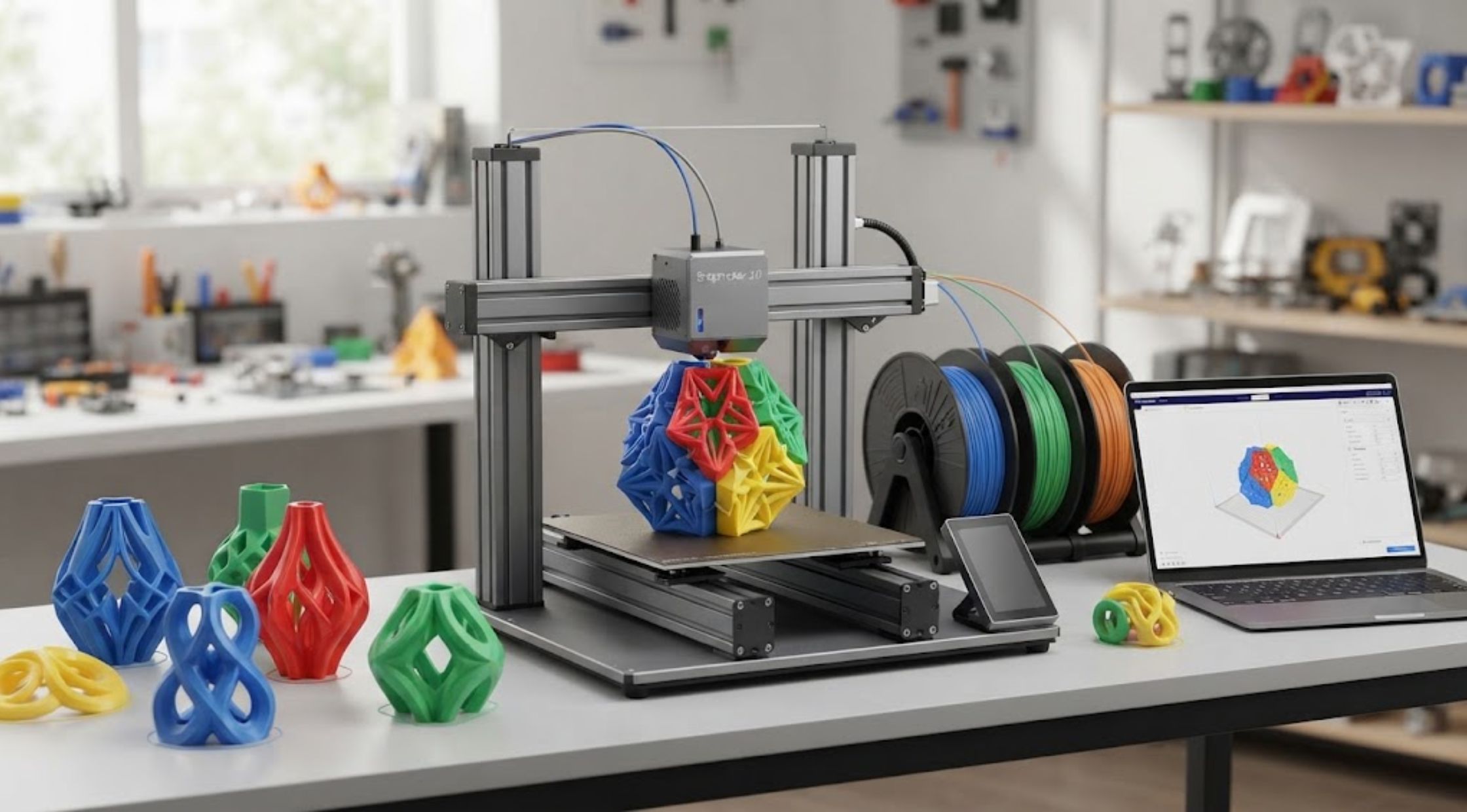
Many manufacturers, amateurs, and small enterprise owners encounter this issue.
Have you invested hours creating a prototype, only to have the final print come out far removed from your expectations?
Many manufacturers, amateurs, and small enterprise owners encounter this issue. At first, 3D printing seems intriguing. However, enthusiasm can quickly turn to frustration. Prints fail halfway through a project. Colors do not look right. Understanding how to use technology might be intimidating.
You've probably noticed a typical problem if you've been exploring multicolored 3D printers. Numerous choices are available on the market. Not all of them fulfill their promises of professional-caliber outcomes.
Fortunately, with the correct information and tools, you can overcome the majority of these difficulties. Knowing how contemporary 3D printers operate can help you make more informed purchases. More significantly, you can recognize the characteristics that set a dependable machine apart from a low-cost model. You'll save time, cut down on waste, and prevent expensive printing errors as a consequence.
Common Problems People Face With 3D Printing
Before investing in a new machine, it's important to recognize the challenges many users experience.
Difficulty Learning the Basics
One of the most common searches online is 3d printers how to use. That alone tells us something important: many buyers purchase a printer before fully understanding how it operates.
Learning slicing software, print settings, materials, and calibration can feel overwhelming for beginners.
Limited Color Capabilities
Traditional printers usually print in a single color at a time. Switching filaments manually during a print can be inconvenient and often produces inconsistent results.
This becomes a major issue for creators who want detailed prototypes, artistic projects, educational models, or customer-ready products.
Frequent Print Failures
Poor bed adhesion, incorrect temperatures, and calibration errors often lead to failed prints. Not only is this frustrating, but it also wastes material and time.
Too Many Options
Reading every 3d printers review online can create even more confusion. Some models excel at affordability, while others prioritize advanced features. Determining which printer offers the best long-term value isn't always straightforward.
Why These Problems Happen
Most 3D printing challenges come down to three factors:
Lack of User-Friendly Features
Entry-level printers often require significant manual adjustments. New users may struggle with leveling beds, configuring settings, or troubleshooting errors.
Hardware Limitations
Many standard printers were designed for basic single-color projects. They simply aren't equipped to handle complex multi-material or multi-color printing workflows efficiently.
Choosing Based on Price Alone
While budget-friendly options can be attractive, they often come with compromises in reliability, build quality, and ease of use.
A lower upfront cost can sometimes lead to higher long-term expenses due to failed prints, upgrades, and replacement parts.
Practical Solutions for Better Printing Results
The good news is that you don't need to become an engineering expert to improve your printing experience.
Start With Proper Training
If you're searching for 3d printers how to use, begin with the fundamentals:
- Learn slicing software basics
- Understand filament types
- Practice simple prints before attempting complex models
- Follow manufacturer calibration guides
A strong foundation dramatically improves print success rates.
Choose a Printer That Matches Your Goals
Ask yourself:
- Do you need prototypes?
- Are you creating artistic models?
- Will you sell printed products?
- Do you need multi-color functionality?
Your answers will help narrow your options.
Prioritize Reliability Over Specifications
Many buyers focus exclusively on print speed or maximum build volume. In reality, consistent performance often matters more than flashy specifications.
When reading a 3d printers review, pay close attention to reliability, customer support, and ease of maintenance.
Consider Multi-Color Printing Technology
Modern 3d printers that can print multiple colors eliminate much of the manual work traditionally required for color changes.
This technology allows users to create more realistic models, improve product presentation, and reduce post-processing time.
A Smarter Option for Serious Makers
You might find that entry-level equipment is insufficient for your increasingly complex undertakings.
This is where high-end systems can have a big impact.
For instance, manufacturers who need more than just simple 3D printing have taken an interest in Snapmaker. Instead of concentrating only on entry-level features, Snapmaker provides adaptable devices made for artists who appreciate accuracy and versatility.
Many consumers looking into multicolored 3D printers value options that optimize workflow without sacrificing output quality.
The fact that these systems frequently combine sophisticated functionality with a more manageable learning curve than overseeing numerous independent computers is especially alluring.
Creators can devote more time to designing and producing rather than continuously troubleshooting constraints.
Benefits of Upgrading to a Premium Solution
A premium printer isn't just about better hardware; it's about a better overall experience.
More Creative Freedom
Advanced multi-color capabilities open the door to projects that would be difficult or impossible with traditional single-color printers.
Greater Reliability
Higher-quality components generally lead to more consistent results and fewer failed prints.
Time Savings
Features such as automatic calibration and improved filament management can significantly reduce setup time.
Better Long-Term Value
While premium machines require a larger initial investment, they often provide better durability and performance over time.
Many makers who upgrade to platforms such as Snapmaker find themselves spending less time troubleshooting and more time creating.
Room to Grow
As your skills improve, your equipment should be able to grow with you. This is one reason why experienced users often recommend considering scalable systems rather than replacing entry-level machines every few years.
Snapmaker has become a popular option among creators who want that flexibility without constantly upgrading hardware.
Final Thoughts
Comparing technical specs is not the only way to choose the best 3D printer. It's about picking a solution that will enable you to produce more effectively and with less annoyance.
Focus on dependability, convenience, and longevity, whether you're studying 3D printers, learning how to use them, browsing many 3D printer review articles, or analyzing 3D printers capable of generating multiple colors.
The most suitable printer is one that helps you achieve your objectives now while allowing you to expand in the future.
Purchasing a high-end platform like Snapmaker can be worthwhile if you're prepared to go beyond simple printing and investigate more sophisticated creative options. The proper gear can make the trip much easier, but it won't do it in order for you.
POPULAR


Comment:
Your email address will not be published. Required fields are marked *